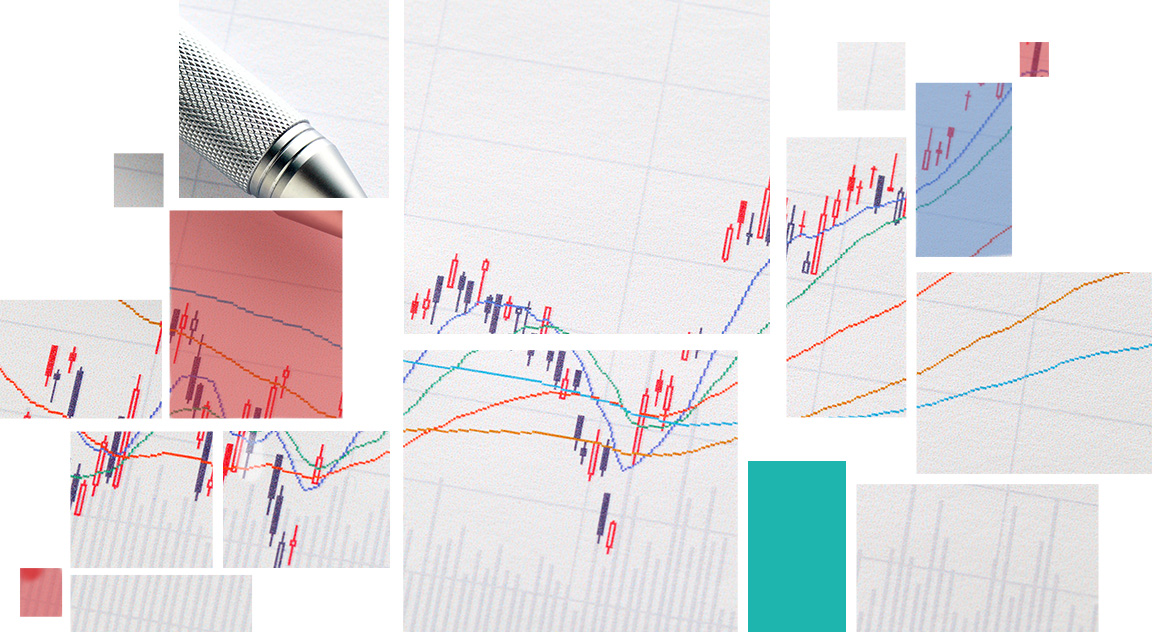
Technical indicators are tools used to analyze past price movements of a security, such as stocks or other assets. They are commonly used by active traders because they help identify trends, predict future price behavior, or confirm signals suggested by other technical tools. For long-term investors, correctly identifying trends is an essential skill that supports stronger investment options and more informed decision-making.
Trend analysis uses historical information to understand how a security or market has behaved over time. By recognizing trends, investors can make decisions that align with the market rather than working against it. However, experts always recommend combining technical analysis with fundamental analysis, such as reviewing economic conditions, company performance, and overall market health.
It is also important to note that security prices rarely move in a straight line. They often move in cycles, rising, falling, and moving sideways. These shifts form trends and can signal whether buying pressure or selling pressure is stronger at a given time.
The Three Main Types of Market Trends
There are three major trend types, each of which investors should understand.
- Uptrends: An uptrend occurs when prices consistently create higher highs and higher lows. This means buyers are in control, and confidence is increasing. Investors often interpret uptrends as signals to stay invested or add to positions as part of their long-term investment strategy.
Key characteristics of an uptrend:
• Rising highs and rising lows
• Strong buying pressure
• Higher investor confidence
- Downtrends: A downtrend occurs when prices consistently form lower highs and lower lows. Investors may try to sell too early or too late based on emotions rather than strategy, which can weaken long-term performance.
Key characteristics of a downtrend:
• Falling prices
• Increasing selling pressure
• Investor pessimism or fear
- Sideways Trends: A sideways trend happens when prices move within a defined range without a strong upward or downward direction. Markets may pause before resuming a major trend, making this a period of consolidation.
Key characteristics of a sideways trend:
• Limited movement
• Equal buying and selling pressure
• Market uncertainty
Sideways markets often test investors’ patience, but they can present opportunities depending on your approach and investment planning steps.
Popular Trend Indicator: Simple Moving Averages
One of the most widely used technical indicators is the Simple Moving Average (SMA). It calculates the average price of a security over a set number of periods to identify general price direction.
Shorter-term SMAs (like 20-day or 50-day averages) respond faster to price changes, while longer-term SMAs (like 100-day or 200-day averages) smooth out volatility. When a short-term SMA crosses above a long-term SMA, it may signal a potential uptrend. If it crosses below, it may indicate a possible downtrend.
Although SMAs cannot predict the future, they provide helpful insight into price momentum and trend strength.
Why Trend Analysis Matters
Understanding trends allows investors to make decisions based on patterns rather than emotions. It helps avoid impulsive reactions during market volatility and supports more disciplined, strategic choices.
Trend analysis also pairs well with building diversified investment options. For example, an investor might use trend indicators to assess whether to allocate more into local equities, international markets, or lower-risk instruments.
Investment Checklist
When analyzing stock or market trends, consider the following checklist to strengthen your decision-making:
- Timeframe: Identify whether short-term or long-term trends are more relevant to your goals.
- Direction: Confirm whether the market is trending up, down, or sideways.
- Slope: A steeper slope shows stronger momentum, but extremely sharp slopes may not be sustainable.
- Volume: Higher trading volume often supports the strength of a trend.
- Context: Compare the trend with external economic indicators.
These factors help determine whether a trend is meaningful and how it fits into your overall long-term investment strategy.
If you’re unsure how to apply these principles, you can speak with a personal financial advisor at TTUTC for support. The team can guide you through trend analysis, portfolio construction, and long-term financial planning.