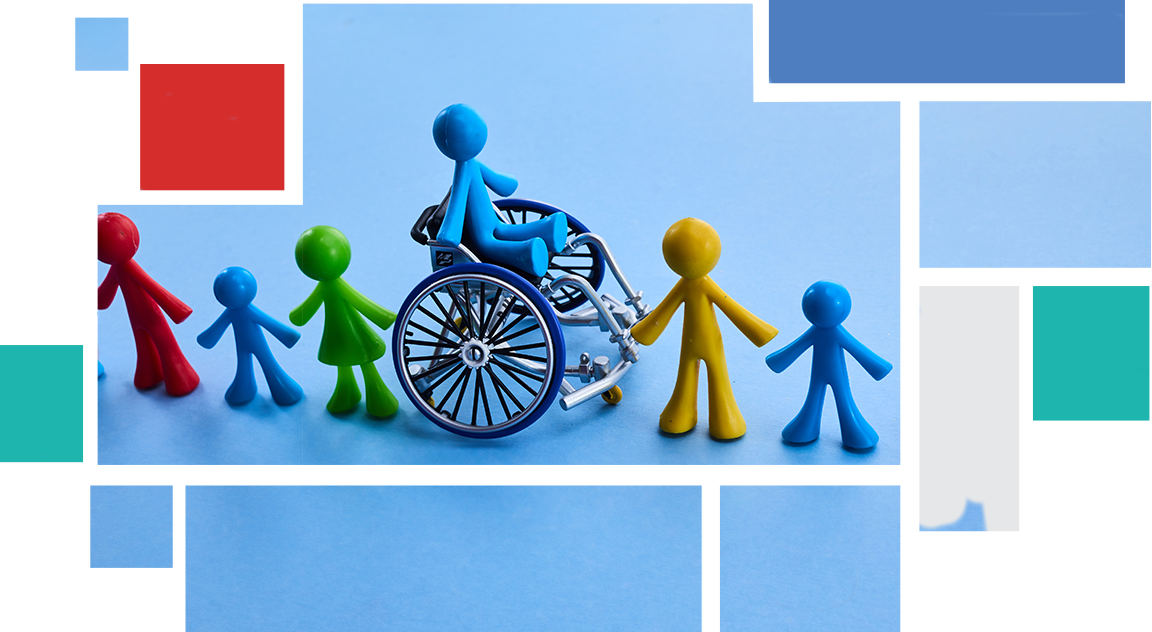
You may have taken steps to insure your home, your car, and your valuable possessions, but what about protecting your ability to earn an income? Disability insurance is one of the most overlooked yet essential tools for financial readiness for the future, providing income support if sickness or injury prevents you from working.
The reality is that the probability of becoming disabled before retirement is actually higher than the probability of dying prematurely. Without income protection, even a short period of disability can lead to severe financial strain. Disability insurance helps ensure financial stability for you and your family during one of the most vulnerable periods of your life.
Why Disability Insurance Matters
A good disability insurance policy provides long-term income support typically covering 50% to 70% of your salary if you are unable to work. Unlike a lump-sum critical illness policy, disability insurance pays a portion of your salary over time, helping you maintain monthly financial obligations.
Before choosing a policy, research and compare:
- Whether there is a waiting period before benefits begin
- Whether the policy covers short- or long-term disabilities
- Whether disabilities caused by accidents, illnesses, or both are covered
A well-chosen policy ensures your family can meet monthly expenses, even if you cannot return to work for months or years.
Understand Your Income and Coverage Needs
When evaluating disability insurance, consider:
- The income you would lose if you became disabled
- Whether your employer provides any disability coverage
- Whether existing coverage is enough to meet your actual needs
- Whether you need supplemental individual coverage
Some employer-sponsored plans include disability insurance as a rider, but many offer only minimal benefits. These plans may contain exclusions or coverage ceilings that leave large gaps in protection.
To safeguard your long-term stability, ensure your insurance coverage aligns with your actual financial responsibilities.
Protect Against Critical Gaps in Coverage
Before purchasing a policy, pay close attention to the insurer’s definition of “disability.” Some policies only pay if you cannot perform any job, while stronger policies pay if you cannot perform your current occupation.
Additionally, some plans exclude:
- Pre-existing conditions
- Certain mental health conditions
- Disabilities relating to specific illnesses
- Pregnancy-related medical needs
- High-risk recreational activities
Understanding these limitations helps you avoid surprises and maintain budgeting tips for financial stability by ensuring that benefits truly protect your household income.
Preparing for the Unexpected
Disability insurance plays a vital role in planning for unexpected costs, especially when life circumstances change without warning. Whether the disability is temporary or permanent, losing your income for even a few months can destabilize savings, increase debt, and jeopardize long-term goals.
Unplanned events like illness, injury, or job loss are real possibilities. Having the right insurance ensures you are preparing for financial uncertainties, preventing your emergency savings from being drained and protecting your household from long-term hardship.
Safeguard Your Financial Future
Even the most disciplined savings plan can collapse if your income suddenly stops. Disability insurance ensures that you and your household can maintain financial stability while you recover, helping to:
- Cover monthly bills
- Protect long-term savings
- Prevent early withdrawal of investments
- Support dependents
- Maintain peace of mind
It is a cornerstone of strong financial planning, yet often forgotten.
Speak With a TTUTC Financial Advisor
A TTUTC Financial Advisor can help you design a comprehensive disability insurance strategy as part of your broader plan for financial readiness for the future. Together, you can assess:
- Your income needs
- Your risk exposure
- Your long-term goals
- Your protection gaps
- The insurance plan best suited to your life